
The historical evolution of casinos from ancient games to modern gambling hubs
The Origins of Gambling in Ancient Civilizations
The history of gambling can be traced back thousands of years to ancient civilizations. Early forms of gaming emerged in China around 2300 B.C. with the creation of games involving dice and betting. These games laid the groundwork for future gambling practices, allowing individuals to engage in risk-taking behaviors as a form of entertainment and social interaction. Modern players, in search of quick rewards, often turn to a fast withdrawal casino for an enhanced experience.

Similar trends were observed in other ancient cultures, such as Egypt and Greece, where gambling was often associated with religious rites and social gatherings. These societies created various gaming boards and dice, reflecting the human fascination with chance and luck. As these civilizations evolved, so too did the complexity and variety of games played, setting the stage for the development of modern casinos.
The Rise of Formal Gambling Establishments
The first official gambling houses appeared in Europe during the 17th century. In Italy, the term “casino” originated from the word for a small villa or summerhouse where people gathered for leisure activities. These venues started as small gaming rooms but quickly evolved into more elaborate establishments, featuring a range of games from card games to dice.
As the popularity of these venues grew, regulations began to emerge, particularly in France, where King Louis XIV formalized gambling rules. This era marked the transition from informal gaming to organized gambling, and it paved the way for the establishment of grand casinos that would dominate the European landscape in the following centuries.
The Golden Age of Casinos in the 19th Century
The 19th century is often regarded as the golden age of casinos, particularly with the establishment of Monte Carlo in 1863. The luxurious Casino de Monte-Carlo became a symbol of high-stakes gambling and opulence, attracting the elite from around the world. This period saw the introduction of iconic games such as roulette and baccarat, which became staples in casinos.
The expansion of railroads and improved travel made it easier for people to visit these glamorous establishments, resulting in a booming gambling industry. Casinos also began to adopt elaborate architectural styles, reflecting the wealth and extravagance of the patrons they served. This era laid the foundation for modern gambling culture, where casinos are viewed as entertainment hubs.
The Evolution of Gambling in the 20th Century
The 20th century brought significant changes to gambling, particularly with the rise of Las Vegas as the gambling capital of the world. The legalization of casinos in Nevada in 1931 marked a new era, allowing for massive investments and the development of mega-resorts that featured not only gaming but also dining, entertainment, and nightlife.
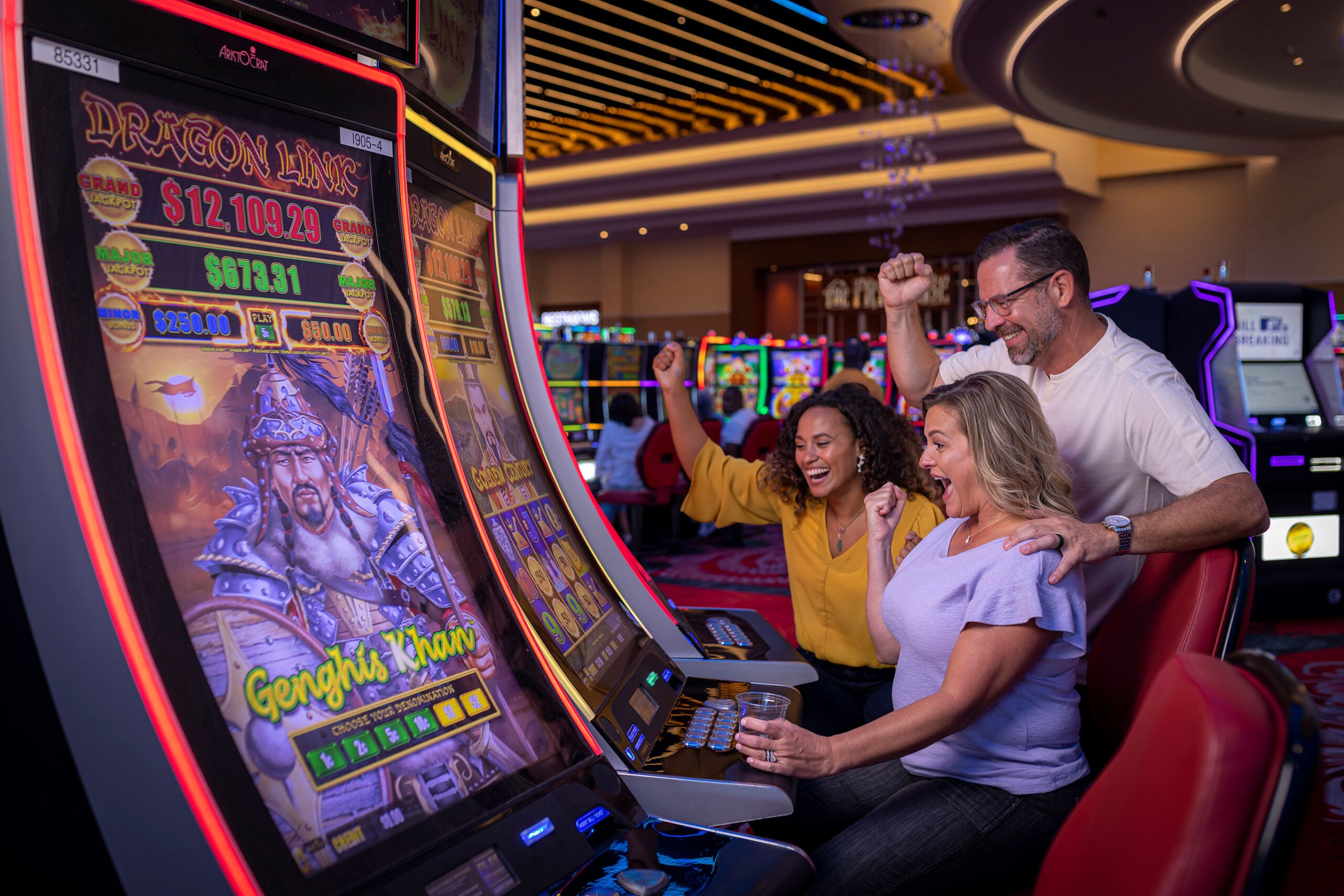
This era also saw the introduction of electronic gaming machines, transforming the gambling experience. Slot machines quickly gained popularity, offering players an alternative to traditional table games. The advent of online gambling in the late 20th century further revolutionized the industry, making it accessible to players around the globe and leading to the emergence of virtual casinos.
Modern Casinos and Online Gambling Trends
Today, casinos have evolved into multifaceted entertainment complexes, often incorporating hotels, restaurants, and entertainment venues. The modern casino experience is designed to provide a seamless blend of gaming and leisure, appealing to a wider audience. The introduction of mobile gaming apps has made gambling more accessible than ever, allowing players to engage in their favorite games from anywhere.
As the landscape continues to shift, online casinos are becoming increasingly popular. These platforms offer a wide variety of games, quick withdrawals, and user-friendly interfaces, catering to the needs of modern players. With a focus on security and responsible gaming, the online gambling industry is poised for continued growth, reflecting the historical evolution of casinos from ancient games to sophisticated gambling hubs today.