
The Nature of Luck in Gambling
Luck is often viewed as the unpredictable force that influences outcomes in various aspects of life, and nowhere is this more evident than in gambling. In a casino setting, luck can determine the fate of a player’s fortunes with just a roll of the dice or a spin of the wheel. This element of chance is what keeps players returning, as the potential for sudden success can be intoxicating. Many also seek out options for quick payouts, such as ontario casino fast withdrawal , which can enhance the excitement and thrill of possibility that draws individuals into these environments where they place their bets, hoping that fortune will favor them.
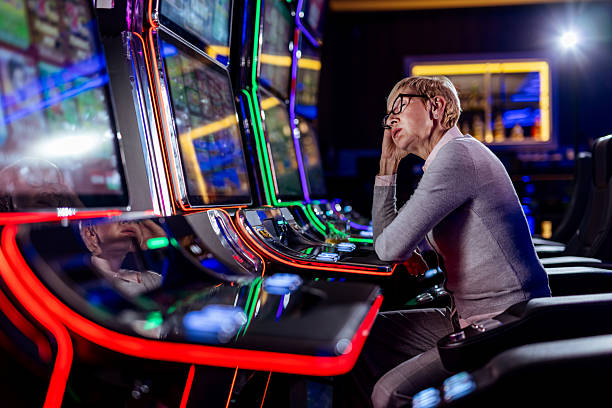
For many players, luck is not merely a random occurrence; it becomes an intrinsic part of the gambling experience. Superstitions often emerge around gambling, with players adopting rituals and lucky charms in the hope of influencing their outcomes. This psychological aspect of luck can significantly impact behavior and betting patterns, as individuals may inherently believe they can enhance their chances through these practices. Such a mindset can create a unique atmosphere where luck is personified, making the gambling experience more immersive and engaging.
Ultimately, luck remains a constant variable in casino games, with outcomes determined by chance rather than skill. While strategies and game knowledge can enhance a player’s experience and improve their odds, the inherent randomness of these games ensures that luck is a crucial player in achieving success. Balancing skill with the understanding that luck plays a pivotal role can shape how gamblers approach their experiences and manage their expectations in the casino environment.
The Psychology of Luck in Casino Games
The psychology behind luck and winning in casinos is a fascinating subject, as individuals react differently to the outcomes of their games. For some, unexpected wins can create a rush of adrenaline and foster a sense of confidence that leads to continued play. This phenomenon is often referred to as a ‘winning streak,’ where a player’s luck seems to be in full force. However, this can also lead to risky behavior, as players may chase losses when they believe their luck will return, highlighting the dual-edged nature of luck in gambling.
Moreover, casinos are designed with bright lights, engaging sounds, and a lively atmosphere to enhance this psychological relationship with luck. The reward systems in place, including jackpots and bonuses, trigger a release of dopamine, reinforcing the idea that luck can be harnessed. This creates an environment where players are encouraged to keep playing, often ignoring the odds stacked against them. Understanding this psychological manipulation can help potential players navigate the casino landscape more wisely.
This intricate interplay between luck and psychology reflects the broader human experience with chance. Individuals often tend to overestimate their control over random events, which can lead to both exhilarating highs and devastating lows. This complexity is what makes gambling alluring yet perilous, as players find themselves at the mercy of luck in a dance that can bring joy or despair. By recognizing these psychological factors, players can approach their casino experiences with a more balanced mindset, appreciating the role of luck while maintaining a sense of awareness about their actions.
How Luck Influences Casino Strategies
While many casino games include an element of strategy, it is essential to acknowledge that luck often dictates the outcomes of even the most calculated moves. Players can study game rules, apply sophisticated strategies, and use mathematical probabilities to enhance their odds of winning. However, when the results hinge on a random draw or the roll of the dice, luck can disrupt even the best-laid plans. For instance, in games like poker, while skill plays a significant role, the cards dealt are ultimately governed by chance.
In this context, understanding the role of luck can lead players to develop more adaptable strategies. Players who accept that luck is uncontrollable can play with a more relaxed attitude, making the game more enjoyable. This perspective encourages players to take risks when appropriate but also to know when to walk away. Recognizing the limits of personal control in gambling can ultimately lead to a healthier approach, allowing players to embrace the highs and manage the lows that come from their luck.
Moreover, successful gamblers often view luck not as a mere accident but as a crucial part of their gaming strategy. They understand that while they cannot predict outcomes, they can still influence their playing environment by selecting games with better odds or positioning themselves at tables with favorable conditions. This strategic mindset underscores the profound connection between skill, luck, and the overall success that can be achieved while gambling, highlighting how these elements interact seamlessly in the pursuit of victory.
The Impact of Superstitions on Luck
Superstitions play a significant role in how players perceive luck within casinos. Many gamblers develop specific rituals or habits they believe can sway luck in their favor. These can range from wearing a “lucky” outfit to performing certain gestures before making a bet. Such practices may seem irrational, but they provide comfort and a sense of control in a highly unpredictable environment. By attributing their successes or failures to these routines, players enhance their emotional investment in the game.
This phenomenon reflects the human tendency to find patterns in randomness. Even in a game governed by chance, individuals often look for signs or signals that indicate when luck is on their side. This belief in luck can boost confidence and increase the enjoyment of the game, making players more likely to return. Casinos often capitalize on these superstitions, with layouts and designs that play into the idea of luck being tangible, thereby increasing the overall ambiance of excitement and possibility.
However, while superstitions can make the gambling experience more engaging, they can also lead to problematic behavior if players rely too heavily on these beliefs. Chasing after luck can lead to increased risk-taking and, for some, harmful gambling practices. It is essential for players to strike a balance where they can enjoy the thrill of chance without falling into the trap of superstition-driven decision-making. Ultimately, recognizing the role of luck, complemented by an awareness of psychological behaviors, can lead to a healthier approach to gambling.
The Role of Online Casinos and Luck
The advent of online casinos has introduced a new dimension to the gambling landscape, where luck continues to play an integral role. In the digital realm, players engage with random number generators and algorithms that determine outcomes, which, while fair, still leaves much to chance. This transition from physical to virtual gaming environments has redefined how players interact with the concept of luck. As they sit at home, players may feel both excited and isolated as they rely on luck to determine their wins.
Online casinos often provide a wide array of games that can cater to diverse preferences and levels of experience. Whether it’s slots, blackjack, or roulette, each game embodies the unpredictable interplay of luck. The convenience of playing from one’s home can sometimes lead to increased risk-taking, as the thrill of gambling can be amplified by the anonymity of online platforms. Here, luck becomes an even more crucial factor in driving player engagement, as individuals hope for unexpected wins that can change their fortunes in an instant.
Additionally, the online environment has facilitated the rise of community interaction through forums and social media, where players share their stories, superstitions, and strategies. This sharing of experiences reinforces the social aspect of luck in gambling. Players often seek validation or community support in their pursuits of fortune, further cultivating a culture centered around luck. As gambling continues to evolve, luck will remain a central theme, shaping player experiences both in physical casinos and online spaces.

